

How to prepare a public talk
This article shows how to prepare slides and a talk that keep the audience engaged, without making them want to leave for another session. It is based on the book “Говори красиво, выступай легко” (“Speak Beautifully, Present Easily”) and supported by experience speaking at several conferences and meetups.
# TL;DR
- Tell more stories lasting 1–3 minutes
- Include more business cases
- Memorize your opening and closing
- Use less text on each slide
- Use more lists on your slides. If you list things aloud, show the list on a slide
- [Optional] One list item = one slide
- A slide supports or supplements your words. Avoid literary flourishes
- Avoid the passive voice in text
- Avoid auxiliary phrasing. “Helps increase the figures” → “Increases the figures”
- Put more numbers on slides: “Increased N-fold”, “Reduced by 50%”, “Made it 3 times faster”, and similar statements
- Use more pictures, charts, and diagrams. A slide explains; it is not the source of information
- Remember an introduction slide: say who you are, where you work, what you do, and anything else you want to share about yourself. It should appear near the beginning, usually after the title slide, though that is not a requirement
- Put your contact details on the last slide: how people can reach you. A QR code is a quick way to share a link
- Rehearse aloud 1–3 times. The more, the better
- Record your talk on video and listen to it. You will hear places where you can say things differently, more briefly, and more clearly. Repeat another 1–3 times
# Storytelling
# Tell stories about yourself and/or your project
“People love stories about other people. Your talk is a way to share with the world what used to hurt and how you cured it.” The purpose of any talk is like explaining which exercises prevent back pain. Your own example shows what you and your team experienced, and what you did or did not do to make the world around you better.
Tell the story in the first person. Do not shy away from saying “I” and “we” in your talk. A story is a good way to lead into your next point and give the listener useful information.

# The structure of a good story:
- Introduction: describe the protagonist
- Describe the protagonist’s everyday life and what matters to them
- Something happens that affects the protagonist’s life: a problem or danger appears
- The protagonist takes action to solve the problem. They do not always succeed, but they do not give up
- The protagonist solves the problem or completes the task
- The protagonist enjoys the rewards and returns to ordinary life
“It resembles the script of any good film, where viewers can put themselves in the protagonist’s place, start to empathize, and follow the unfolding plot.”
A conference talk is not very different from a good story, so your talk should include:
- 1–2 sentences about the person or team the story happened to
- What problem or task arose
- You tried solution 1
- You tried solution 2 if the first did not work
- You managed to complete the task and overcome the problem
“A story should last no more than three minutes, ideally one minute. The listener should be able to put themselves in your place, feel the problem, and understand why the solution presented in your talk is the right one.”
# Improve your speech
“The audience owes the speaker nothing: neither listening, nor understanding, nor engagement. Your job as a speaker is to make them interested.”
Every presentation has two components:
- The speaker’s idea
- The structure of the talk
Ask yourself two questions:
- What is my presentation about? What do I want to change in people’s opinions?
- What exactly do I want to say about this topic? How will I change people’s opinions?
Think about what you will talk about. Come up with several ways to phrase it, and you will be able to choose the best one.
An audience member will listen to the speaker if:
- The slide is brief and clear
- The speaker uses intonation and pauses
- The speaker uses simple words and sentences
“Monotonous speech is an excellent sleeping pill. With pauses and emphasis, the speaker highlights what matters in a point and gives the listener a moment to reflect on what was said.”
“The beginning and end of a talk account for 50% of its success. If you do not hook people at the start, the ending will not matter: they will not listen. If you hook them at the start but disappoint them at the end, nobody will remember how well you began.” Memorize the phrases you will use to open and close your presentation.
“Do not start talking immediately. Walk onto the stage, glance around the room, breathe out, and begin. Starting with a question for the audience or an intriguing hook is a good idea. Even better, start with contradictory information that you will unpack during the talk.”
# Improve your slides
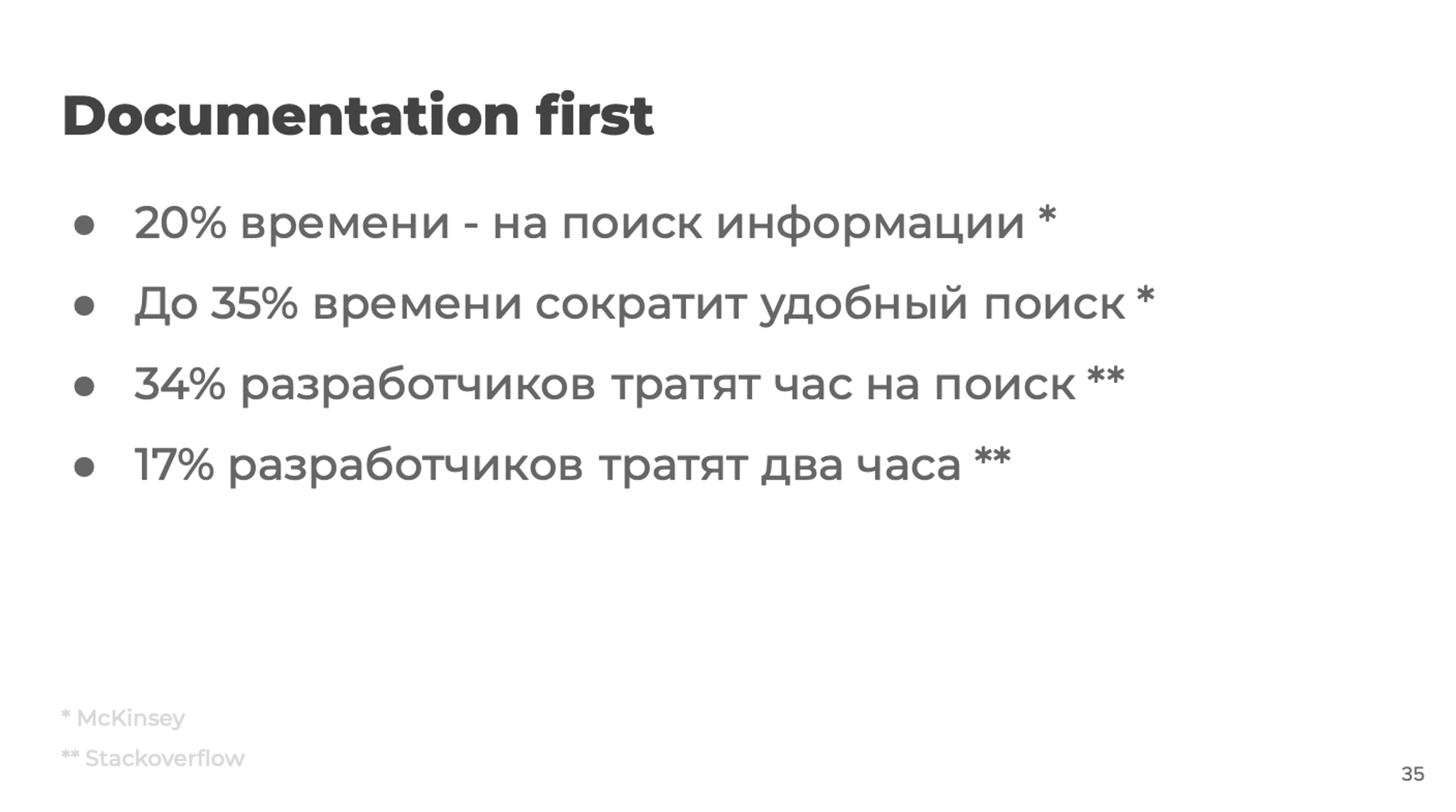
“A slide explains and supplements; it is not the source of information. The speaker is the source. An ideal slide therefore does not contain a wall of text. People in the audience either read the text or listen to the speaker.”
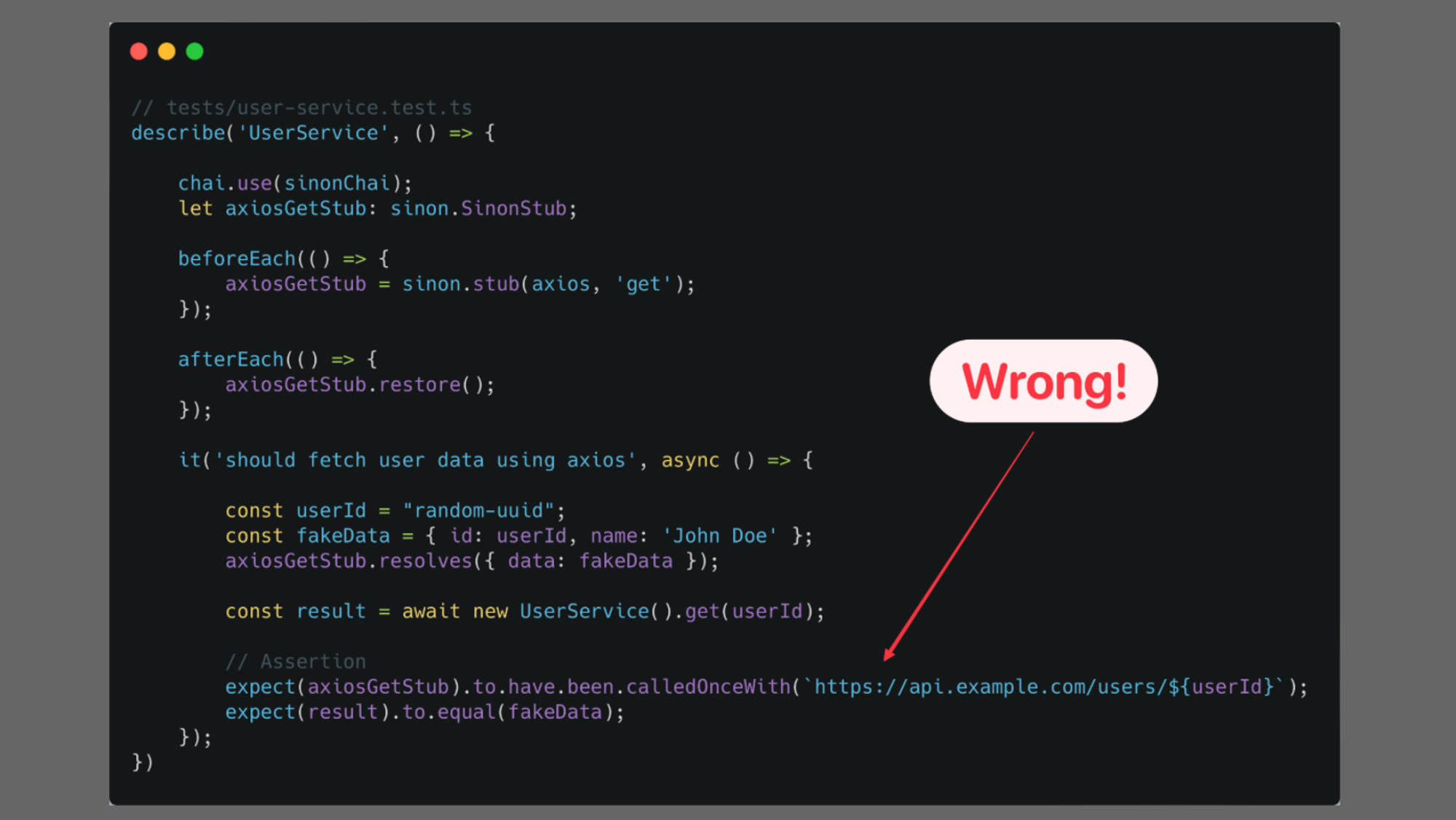
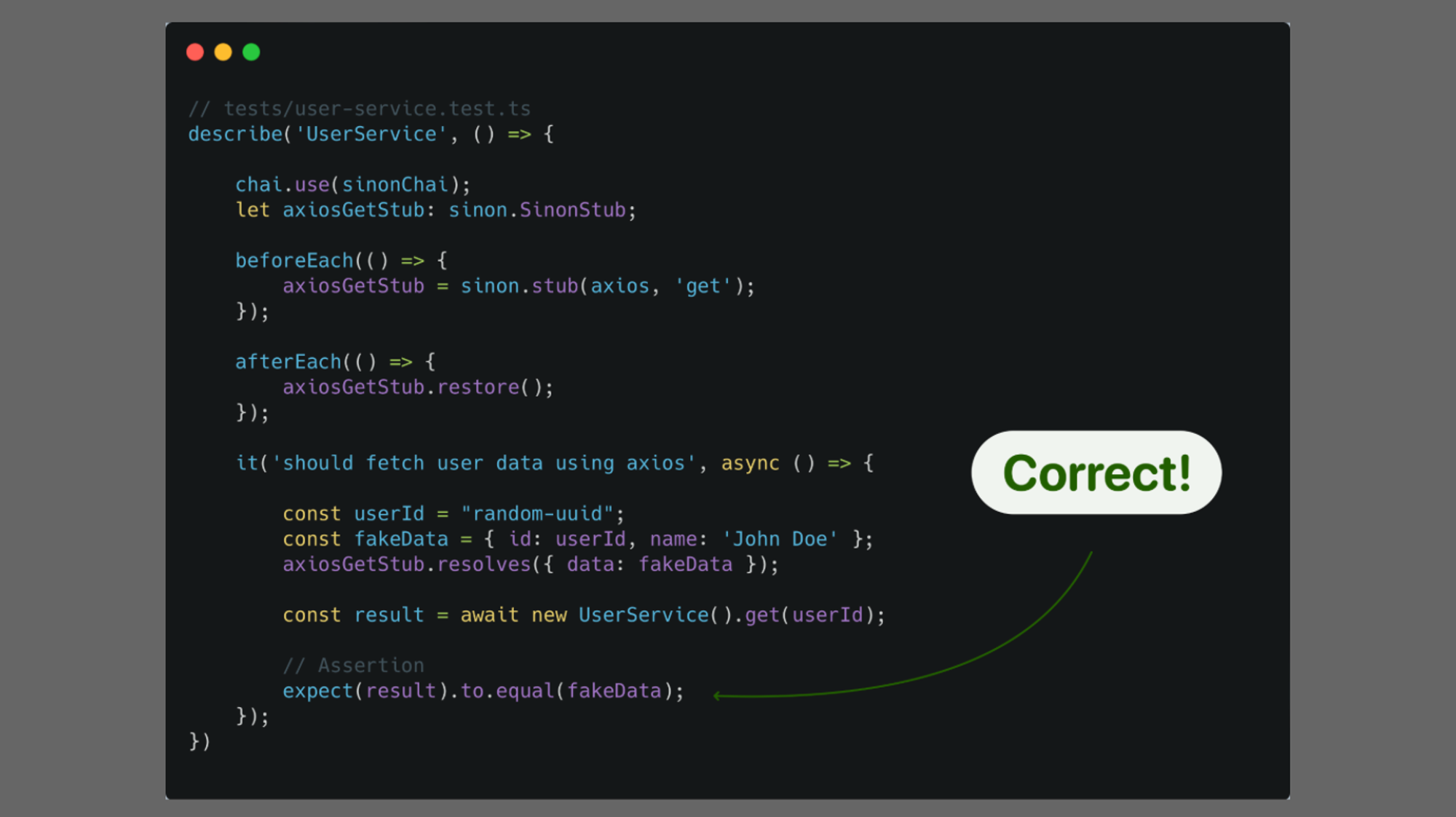
“To be interesting, a slide must be understandable at a glance. Help viewers see what you want to show. If you demonstrate code, use arrows to show where to look. If the code has several such places, duplicate the slide and move the arrow to the next area you want to highlight. An audience member is like a cat following a laser pointer, and the speaker holds the pointer.”
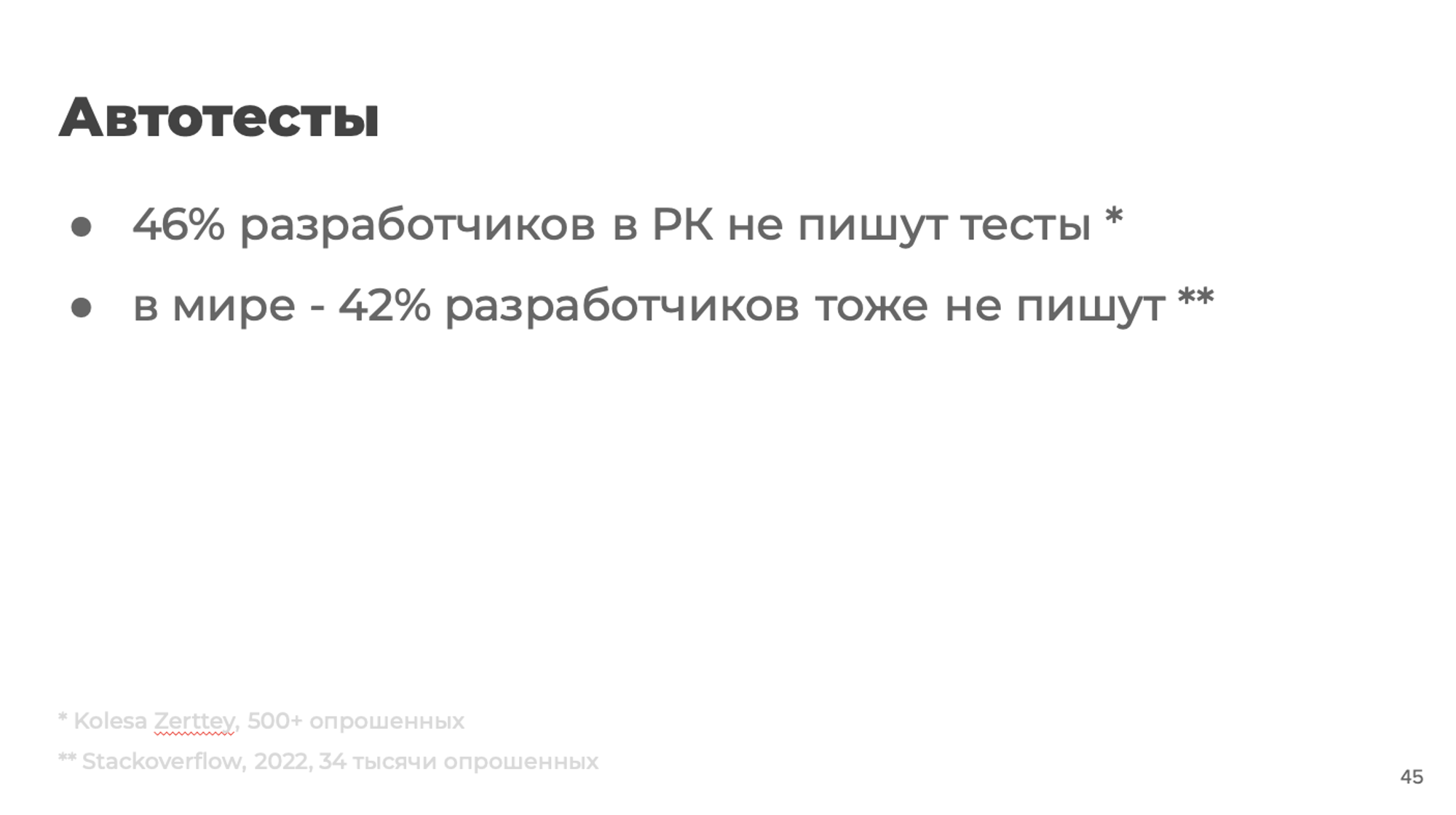
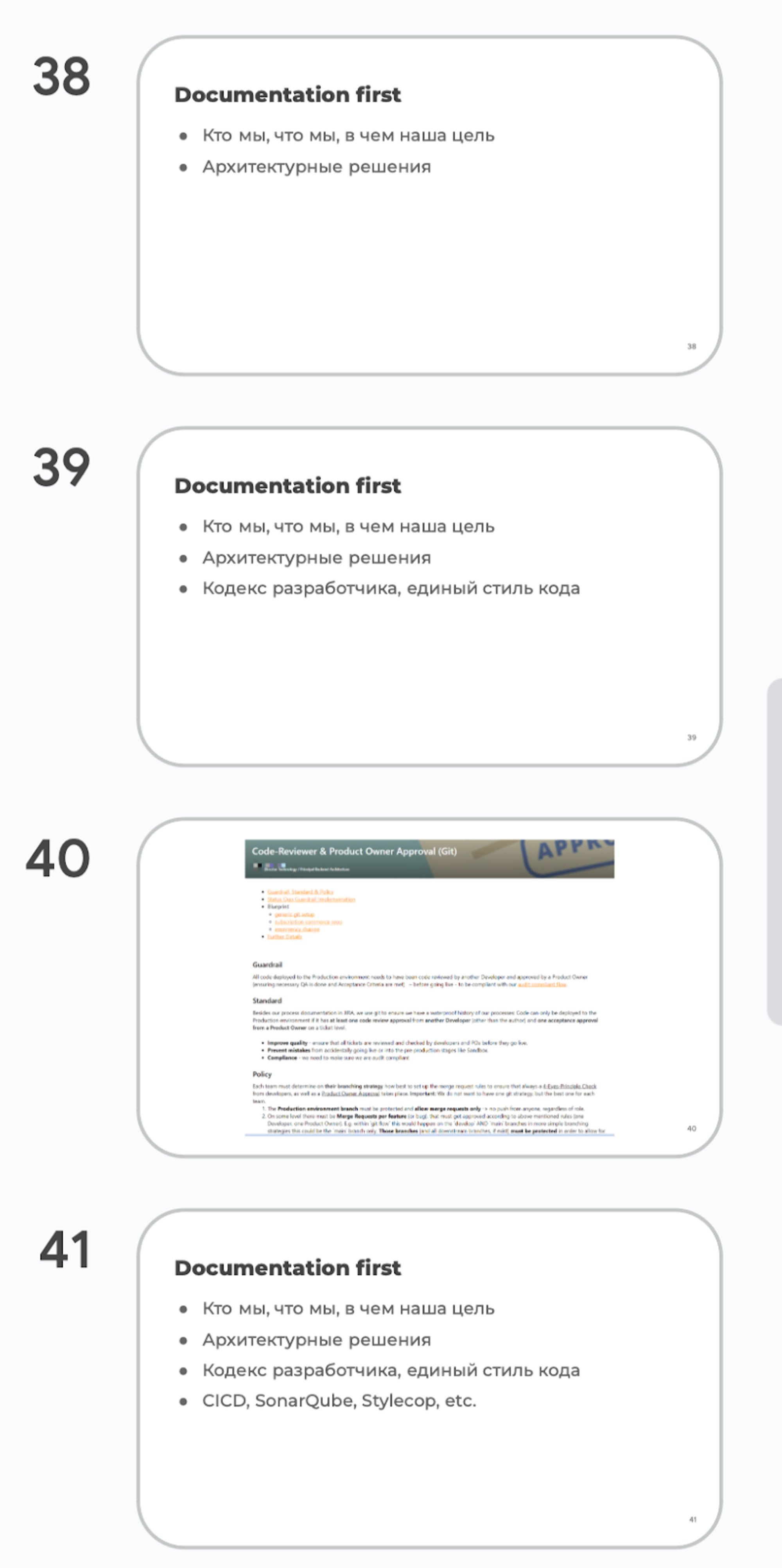
To draw attention to list items, split the list across multiple slides: as the story progresses, each slide adds one more item. You can also highlight the “active” item relative to the others.
Leave literary style to literature. Avoid:
- auxiliary phrasing: “X makes it possible to improve Y N-fold” → “X improves Y N-fold”
- passive voice: “The metric was increased fivefold” → “We increased the metric fivefold”
- participial and adverbial participle constructions
“The simpler a sentence on a slide is, the easier it is to understand without having to think about it.”
“One idea = one simple sentence. You do not always even need a subject: instead of ‘We increased onboarding speed threefold’, try ‘Increased onboarding speed threefold’. It is already clear who increased, accelerated, and improved things.”
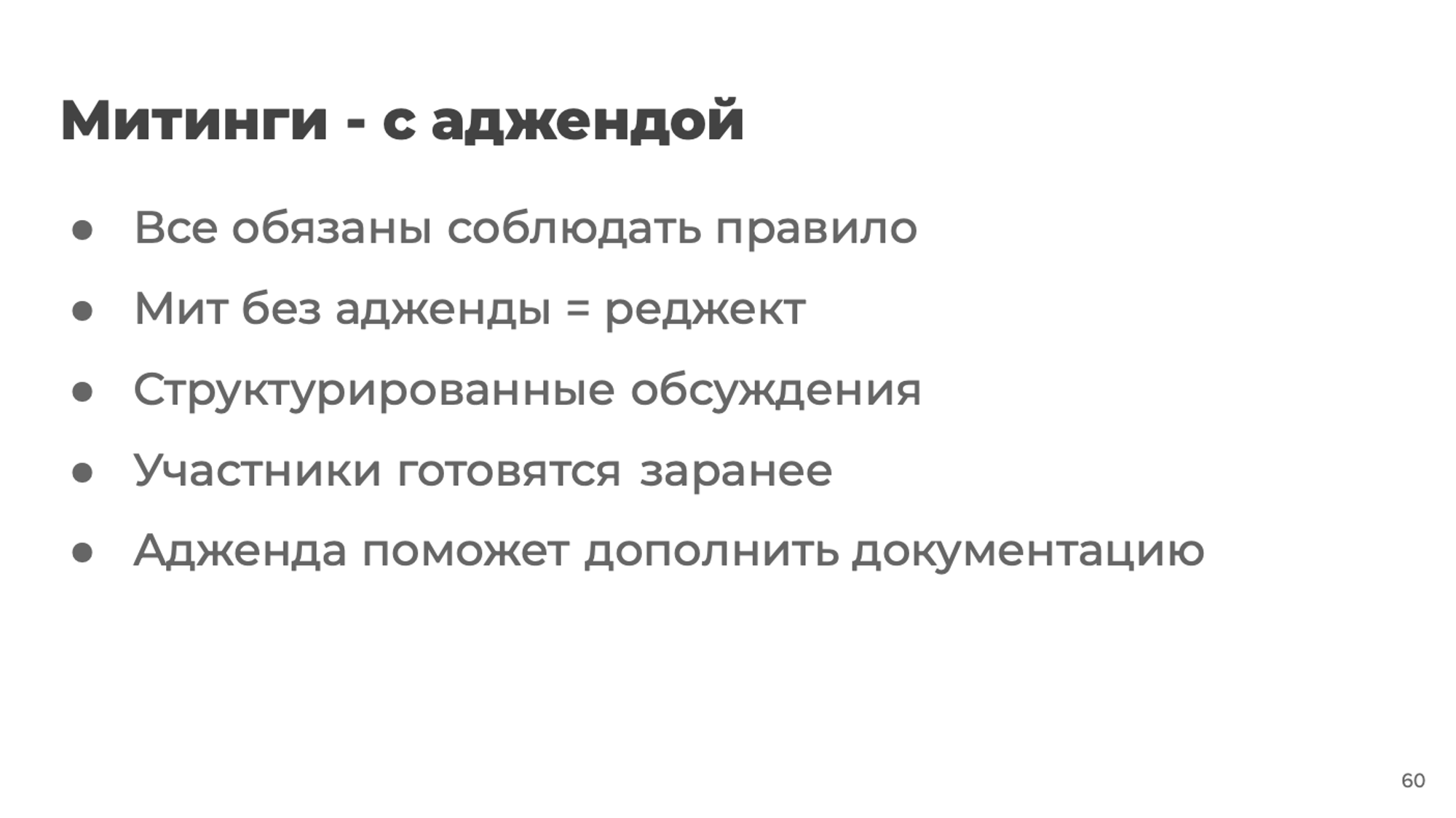
“Remember: a slide supplements and explains your words; it is not the source of information. The viewer either reads the text or listens to you.” That is why slides contain:
- Charts
- Pictures
- Screenshots
- Code (preferably avoid it, but if necessary, use it carefully)
- Numbers
- Comparisons: “before” and “after”
Use simple, concise statements on slides. Avoid the passive voice and auxiliary phrasing such as “X makes it possible to increase metrics N-fold”; prefer “X will increase metrics N-fold”.
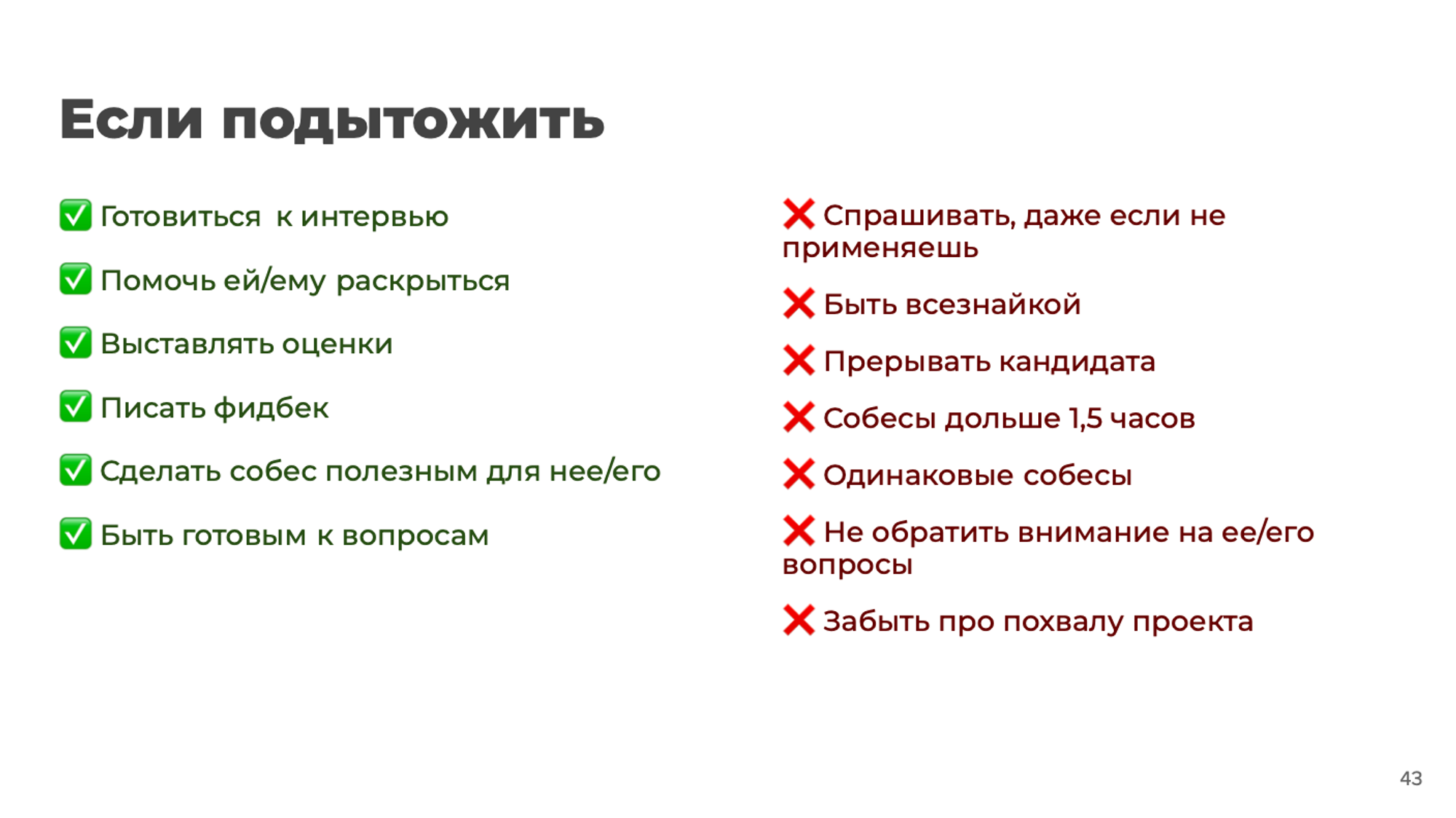
“When comparing things, use visual storytelling: show good and correct things in dark green, and bad and incorrect things in dark red (burgundy).”
# Preparing for a talk
# How to overcome stage fright
- Write your speech on paper and rehearse aloud at home
- Breathe in and out several times before going on stage
- Warm up your tongue with tongue twisters
- Go on stage at the last moment. Let the audience settle down
- It is best not to speak to anyone in the couple of minutes before your talk
- “For the first 2–4 seconds on stage, say nothing and look at the audience. Let them settle down”
# During the Q&A session
- Ask a friend in the audience to ask a prepared question: it will bring the audience to life
- Ask yourself a question and answer it immediately
- Keep answers brief, but not just one word
- If you do not know the answer, think aloud about what you would do in the questioner’s situation
# Preparing for AlmatyJS Light
AlmatyJS Light is a meetup format with 15-minute talks, intended for:
- trying out material before major conferences
- new speakers who want to gain public speaking experience
- speakers who want to discuss their topic with an audience
Since the format allows little time, focus on something specific and explain in a structured way what the problem was, which approaches you tried, and what result you achieved. “Light” does not mean retelling the documentation or giving an introduction to a topic. “Light” is a way to test whether the audience finds your topic interesting.
If your topic assumes some basic knowledge, prepare an introductory article and link to it at the start of your talk. Your listeners will then:
- know where to find the basic knowledge needed to understand the talk
- see while listening that there is more beyond the basics, and become interested in exploring further
- be able to return to the recording of your talk on YouTube after reading the basics and understand what you were talking about
We record every meetup for YouTube, so you will also get an online video of your talk covering a more or less unique case, rather than joining the thousands of similar fifteen-minute videos explaining the very basics to beginners.